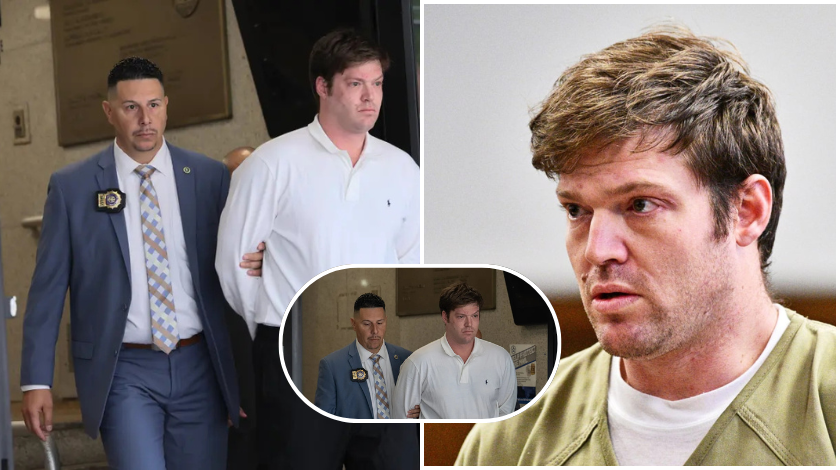
Who Is William Duplessie? Inside the Shocking Crypto Kidnapping Case That Rocked Wall Street

When you scroll through LinkedIn looking for blockchain experts and crypto fund managers, you expect to see success stories, investment tips, and professional headshots. What you don’t expect to find is a profile that leads to a $75,000-per-month Manhattan townhouse where alleged torture took place. But that’s exactly the story of William Duplessie—a name that went from obscure crypto investor to headline news in May 2025.
I remember the first time I heard about this case. I was having coffee with a friend who works in compliance for a major exchange, and he mentioned “some crypto bro kidnapping case in Soho.” At first, I thought it was another exaggerated story about the wild west of cryptocurrency. Then I started digging into the details, and honestly, I couldn’t believe what I was reading. This wasn’t just some petty crime or fraud scheme. This was something straight out of a thriller movie, except it was terrifyingly real.
The Early Days: From Greenwich Privilege to Crypto Dreams
William Duplessie’s story starts in a place that screams American privilege: Greenwich, Connecticut. If you’re not familiar with Greenwich, imagine the wealthiest suburbs you’ve ever seen, then multiply that by ten. Duplessie literally grew up next door to Ray Dalio, the billionaire hedge fund manager who runs Bridgewater Associates. His father, James Duplessie, was an investment manager specializing in distressed debt—basically, he made money buying up troubled companies and turning them around. His mother, Eve, worked as a social worker. They had four kids, money in the bank, and every imaginable advantage.
From the outside, Will Duplessie had the kind of life that automatically sets you up for success. He was tall, handsome, athletic, and charming when he wanted to be. He had straight white teeth, a chiseled jaw, and the kind of physique that turns heads. But here’s the thing about privilege—it doesn’t guarantee happiness or stability, and in Will’s case, something clearly went wrong early on.
I’ve read accounts from people who knew him as a teenager, and the picture they paint is disturbing. His father apparently spent hundreds of thousands of dollars trying to figure out what was wrong with him. That’s not normal. Most teenagers go through rebellious phases, but this was different. Will told people he stabbed a drug dealer before finishing high school at King, a private school in Stamford. Whether that’s true or just a story he made up to sound tough, I don’t know. But what happened next suggests his father believed something needed to change dramatically.
James Duplessie shipped his son off to China to work in a bicycle factory. Imagine that for a second—you’re a wealthy kid from Greenwich, and suddenly you’re in a factory in China, coming back to a five-star hotel every evening covered in soot. It sounds like something from a reality TV show about troubled teens, but this was Will’s actual life. And somehow, after this experience, he got into Bard College.
Now, Bard is an interesting place. It’s a liberal arts college with no fraternities, filled with progressive, artistic types. Will Duplessie was about as out of place there as a bull in a china shop. According to people who knew him, he never went to class, like, two classes total during his time there. Instead, he spent his first year living off-campus in a house with Peter Brant Jr., whose dad is a billionaire art collector. He was making electronic music under the name “William the Conqueror” and trying to get gigs at Webster Hall.
Here’s what strikes me about this period: he was already showing a pattern that would define his life. He would buy huge amounts of liquor for people, throw parties, and try to buy his way into being liked. One former friend said, “I don’t think anybody liked him, but they would all go to his parties.” That’s a sad way to live, honestly—surrounded by people who are just there for what you can give them. And when he felt slighted? He would explode. Accounts describe him screaming with his face “ruddy and glistening with sweat and snot,” which sounds genuinely terrifying given how physically imposing he was.
The volatility was extreme. One night, he held a lit cigarette to his own tongue for so long that people could smell burning flesh. That’s not normal behavior. That’s someone with serious issues around self-control and emotional regulation. By his second semester, he’d dropped out of Bard.
But here’s where the story takes a turn, leading us into the world of crypto. He enrolled at Tulane University, his father’s alma mater, and there he discovered Bitcoin. By 2012, he was already participating as an early miner in several protocols. This was genuinely smart timing—if you got into Bitcoin in 2012 and held onto it, you could make serious money. And Will did make money, at least initially.
Building Pangea Blockchain Fund: Legitimate Business or Elaborate Facade?
After Tulane, Will Duplessie moved to Los Angeles and got a job at DNA, an investment firm focused on Web3, founded by Brock Pierce. He claimed he was making $100,000 a year, which sounds impressive for someone in their early twenties. But he only lasted a month before being “abruptly terminated.” The details are fuzzy, but the pattern is clear: he couldn’t hold down a normal job even when it was handed to him on a silver platter.
What happened next is where things get really interesting from a business perspective, and where there are lessons for anyone interested in crypto investing. Will and his father, James, decided to start their own fund: Pangea Blockchain Fund. The timing was perfect—Bitcoin and Ethereum were on a massive bull run in 2017 and 2018. New tokens were raising millions of dollars on the basis of vague ideas with little chance of success. The crypto space was full of hype, and the Duplessies knew how to sell hype.
They managed to get a pitch meeting with Jennifer Johnson, the head of Franklin Templeton, one of the country’s largest asset managers. According to people who were in that room, “basically every single person was rolling their eyes the entire time.” But that didn’t stop them. They moved to Switzerland, rebranded themselves as successful American crypto investors, and started throwing money around to make themselves look legitimate.
Here’s where I need to stop and talk about something that makes me angry as someone who cares about the crypto industry. They used classic scammer tactics. They flew to conferences in Dubai, Japan, and Singapore. They handed out expensive gifts—cigars, $300 lighters, sometimes just cash. They threw parties at a ski chalet in St. Moritz, complete with custom skis, armed guards, and escorts who served as “honeypots” to lure in potential investors. One executive who watched them work said the women would hook up with potential investors, who thought they were getting lucky, but it was all part of the sales pitch.
In mid-2018, at a yacht conference in Monaco, they met Roger Ver, an early crypto investor known as “Bitcoin Jesus.” Ver invested $2 million in Pangea, and that gave them the credibility to raise more. They announced they’d raised another $20 million, overseen by Copernicus, a respected Swiss asset manager, and were looking to raise $180 million more. By some estimates, they eventually took in over $100 million.
But here’s the thing: in 2020, an early crypto investor sent a message to an industry-wide group chat warning people not to give or accept money from Pangea. He said, “They’re like a train spewing cyanide in every direction, killing everything around them.” That’s a strong warning, and it came before everything fell apart.
When the pandemic hit in 2020, the Duplessies abruptly abandoned Switzerland. Investors started hounding them for updates and returns. The money never materialized. By 2021, Will had split from his father and moved to Miami, where he racked up traffic tickets, stopped paying rent on two houses, crashed a Porsche on the freeway with a suspended license, and generally made a mess of things.
The Dark Turn: From Crypto Investor to Alleged Criminal
This is where the story shifts from a tale of business failure to something much darker. In late 2024, Will Duplessie started visiting John Woeltz at his property in Kentucky. Woeltz was a 37-year-old cybersecurity specialist who had been mining Bitcoin since 2009. He was a very different person from Duplessie—mild-mannered, nerdy, a perfectionist who had made over $100 million from early Bitcoin mining and just wanted to live a quiet life in the countryside.
But something happened when these two got together. They formed a venture called Wildcat, bought the most expensive house in Smithland, Kentucky (a 10,000-square-foot mansion built to look like the White House), and started displaying what one person described as “very paranoid, cultlike behavior.” They bought thousands of dollars worth of guns, wore matching militant clothes, and patrolled the property looking for “terrorists” they believed were tracking them down to kill them.
In January 2025, Woeltz’s girlfriend, Kayla Barbour, filed a restraining order against him. She described him grabbing her by the throat, putting a gun to her head, and screaming that he was going to kill her and that he had a hole dug to bury her in. She said they locked her in her bedroom for hours. After she escaped and went to rehab, she came back to find her car riddled with bullet holes.
Meanwhile, Duplessie and Woeltz were working on something they called a “manifesto.” The plan, as they wrote it, was to steal foreigners’ cryptocurrency through an “intelligence operation.” They would gain people’s trust over a long period while investigating them, discovering their networks and valuables, and then they’d strike. They wrote: “We will take bitcoin and crypto from evil people. This agency will actively purge America of its bad foreign powerhouses.”
They had three targets listed, including Michael Carturan, an Italian crypto entrepreneur who had been their business partner and friend.
Inside the Soho Torture House: What Really Happened at 38 Prince Street
In early 2025, Duplessie and Woeltz moved into a five-story townhouse at 38 Prince Street in Manhattan’s Soho neighborhood. The rent was $75,000 per month. They transformed it into what looked like an after-hours nightclub, complete with security teams (some of whom were off-duty NYPD officers), bartenders, and piles of cocaine served on a silver Tiffany tray. They spent six figures in a single night at clubs like The Box and Jean’s.
But according to prosecutors, this was all a cover for something much more sinister. On May 6, 2025, they allegedly lured Michael Carturan to the townhouse. Carturan was a 28-year-old Italian programmer who had worked with Woeltz for years. He believed he was coming to work on a new fund and participate in a self-improvement program to become tougher and more “macho.”
What allegedly happened over the next 17 days is the stuff of nightmares. Prosecutors say Carturan was bound by his wrists, shocked with electrical wires, pistol-whipped, cut on the leg with a saw, and forced to smoke from a crack pipe. They allegedly dangled him from the top flight of stairs. They told him they would kill him and his family if he didn’t hand over his Bitcoin password.
Carturan later told police he believed he would be killed, so on May 23, he agreed to give them the password. But when they went to get his computer, he managed to escape. Video footage shows him running barefoot and bloodied down the street, approaching a traffic agent for help. That video went viral.
The Arrest and Charges Facing William Duplessie
Duplessie wasn’t at the house when Carturan escaped—he’d gone to the Hamptons for Memorial Day weekend. But he negotiated his own surrender to police while partying at clubs. On June 10, 2025, the ATF raided the Kentucky properties and seized five guns and over 2,000 rounds of ammunition. On June 11, both men were arraigned on charges of first-degree kidnapping, which carries a sentence of up to life in prison, plus assault, coercion, attempted grand larceny, and criminal possession of a weapon.
Their lawyers have argued that Carturan couldn’t have been kidnapped if he was free to come and go, and they point to a video where he appears to be smiling. But prosecutors have text messages where Woeltz talked about “torturing” Carturan, and messages between assistants describing Carturan sobbing, hyperventilating, and appearing “broken” with “no more life in his eyes.”
Two NYPD officers, including one on Mayor Eric Adams’ security detail, were placed on modified duty for allegedly helping bring Carturan from the airport to the townhouse.
Lessons from the Duplessie Case: Red Flags in Crypto Investing
As someone who’s been following the crypto space for years, this case hits differently. It’s not just about fraud or failed investments anymore—it’s about violence, torture, and the dark places that crypto wealth can lead people.
First, let me talk about due diligence. If you’re investing in a crypto fund, you need to look beyond the fancy parties and the claims of huge returns. Pangea Blockchain Fund had warning signs everywhere. They were throwing around money to make themselves look successful. They were using attractive women as “honeypots” to lure investors. They abruptly left Switzerland when things got tough. These are all massive red flags that investors ignored because they were promised 73% annualized returns.
Second, the danger of displaying crypto wealth is real. Carturan was targeted because he had significant Bitcoin holdings. In the crypto world, there’s a growing problem of “whale hunting”—criminals specifically targeting people known to hold large amounts of digital currency. Unlike traditional wealth, crypto can be stolen with just a password, and if that password is secured properly, it can’t be recovered by the owner either. This creates a perverse incentive for criminals to use violence to extract passwords.
Third, we need to talk about the culture of the “crypto bro.” Duplessie embodied the worst stereotypes: excessive partying, drug use, treating women as commodities, and a general disregard for normal societal boundaries. When you combine that culture with actual technical knowledge and paranoia, you get something very dangerous.
If you’re in the crypto space, protect yourself. Don’t brag about your holdings. Use multisig wallets that require multiple keys to access funds. Consider using custodial services that have physical security measures. And most importantly, if someone seems too good to be true—if they’re throwing around money, making wild claims, and trying to isolate you from normal life—run the other way.
Conclusion
The story of William Duplessie is a tragedy of wasted potential. He had every advantage—wealth, education, good looks, early entry into Bitcoin—and he threw it all away for what? A few months of partying in a Manhattan townhouse and an alleged criminal scheme that will likely put him in prison for life?
When I look at his LinkedIn profile (which has been deleted or hidden since the arrest), I see the same thing I see in many crypto entrepreneurs: big claims, impressive-sounding titles, and a complete lack of substance. He was the CEO and Co-Founder of Pangea Blockchain Fund, but the fund is now liquidating its remaining assets after raising over $100 million and producing only losses and lawsuits.
The crypto industry needs to do better. We need to stop celebrating the “crypto bro” lifestyle of excessive spending and partying. We need to take due diligence seriously and stop giving money to anyone who can throw a good party. And we need to recognize that the decentralized, pseudonymous nature of cryptocurrency attracts not just idealists and technologists, but also criminals and predators.
William Duplessie’s story isn’t just a true crime curiosity—it’s a warning about what happens when hype, privilege, and paranoia collide in the Wild West of digital assets.
Frequently Asked Questions
Who is William Duplessie?
William Duplessie is a 33-year-old cryptocurrency entrepreneur from Greenwich, Connecticut, who was arrested in May 2025 and charged with kidnapping, assault, and weapons possession in connection with the alleged torture of an Italian crypto investor in a Manhattan townhouse.
What is William Duplessie’s LinkedIn background?
Duplessie listed himself as the Co-Founder and Head of Sourcing at Pangea Blockchain Fund, a Switzerland-based crypto investment firm he started with his father in 2018. He claimed to have been involved in blockchain since 2012 and previously worked at DNA Advisors in Los Angeles.
What happened to Pangea Blockchain Fund?
Pangea raised over $100 million from investors, including Roger Ver, but began liquidating in 2022 after legal disputes over performance fees. The fund is currently winding down its remaining assets under the oversight of Duplessie’s brother, Stephen.
What are William Duplessie’s current legal charges?
Duplessie faces first-degree kidnapping (up to life in prison), assault, coercion, attempted grand larceny, and criminal possession of a weapon. A grand jury indicted him in June 2025.
Who is John Woeltz, and how is he connected to Duplessie?
John Woeltz is a 37-year-old Kentucky native and early Bitcoin miner who allegedly partnered with Duplessie in the kidnapping scheme. The two lived together in a Kentucky mansion and later in the Manhattan townhouse where the alleged torture occurred.
What lessons can crypto investors learn from this case?
Key lessons include: thoroughly vetting fund managers beyond their marketing materials; being cautious about publicly displaying crypto wealth; using multisig wallets for security; and recognizing red flags such as excessive partying, paranoia, and isolation tactics.