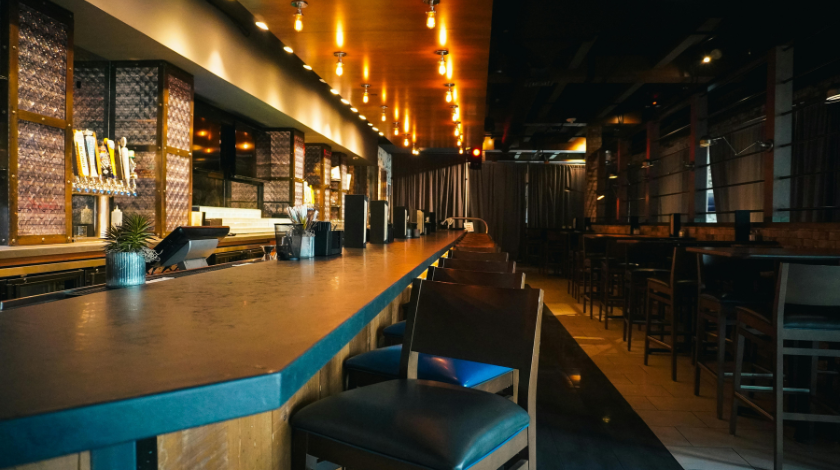

I still remember the first time I walked into a proper cocktail lounge and realized I had been doing “going out” wrong my entire adult life. It was a rainy Tuesday in Chicago, and I ducked into this unmarked door after seeing a faint amber glow through the window. No blaring music, no sticky floors, no shouting over crowds to order a watery gin and tonic. Instead, I found leather armchairs that actually invited you to sit back. These bartenders asked what flavors I enjoyed rather than just rattling off beer brands, and a room full of people were having actual conversations. That night changed how I think about what a bar and lounge can be, and if you have not experienced this evolution yet, 2026 is the perfect time to discover it.
The term “bar and lounge” used to conjure specific images depending on your age and location. For some, it meant dark, smoky rooms with cheap whiskey and tired cover bands. For others, it suggested pretentious spaces where you needed to know someone to get in or spend a week’s salary on one round. But something fundamental has shifted in how we gather to drink, socialize, and unwind. Today’s best bars and lounges are neither dive bars nor exclusive clubs. They are something more intentional, more comfortable, and honestly more interesting than either extreme. They represent what sociologists call a “third place”—not work, not home, but a genuine community space where the primary product is not alcohol but human connection.
Understanding this evolution matters because it affects where you choose to spend your evenings, your money, and your precious free time. The modern bar and lounge has become a reflection of broader cultural shifts toward mindfulness, quality craftsmanship, and authentic experience. When you understand what makes these spaces special, you stop wasting nights in places that drain your wallet and energy, and you start finding venues that genuinely enhance your life.
So what exactly defines a bar and lounge in 2026? At its core, it is a hybrid establishment that prioritizes comfort and conversation alongside beverage service. Unlike traditional bars, where standing room dominates and the goal is often rapid turnover, lounges provide seating designed for lingering. The lighting is thoughtful—warm enough to feel inviting but dim enough to create intimacy. The music complements rather than dominates the space, typically played at volumes that allow normal speaking voices. The drink program goes beyond standard well liquors to feature curated spirits, house-made ingredients, and often non-alcoholic options that receive the same attention as their boozy counterparts.
The distinction matters because this hybrid model solves a problem many of us face in modern social life. We want to go out, but we do not want the sensory overload of nightclubs. We want good drinks, but we do not want the formality of fine dining. We want to meet friends, but we want actually to hear them speak. The bar and lounge fill this gap perfectly, creating an environment where you can have a meaningful conversation at 9 PM on a Friday without yelling, where you can bring a date that feels special without being stuffy, or where you can work remotely during the day and transition into evening socializing without changing locations.
Perhaps the most significant shift in bar and lounge culture over the past few years has been the rise of intentional drinking. This is not about abstinence or judgment toward those who enjoy alcohol heavily. Rather, it represents a maturation in how we approach consumption, prioritizing experience and quality over quantity and speed. I have personally witnessed this shift among my friend group. Five years ago, a night out meant counting shots and measuring success by how blurry the memories became. Now, the same group spends the same amount of money but orders two carefully crafted cocktails over three hours, discussing the ingredients, the technique, and how the flavors evolve as the ice melts.
This mindful moderation movement has fundamentally changed what bars stock behind their counters and how they train their staff. According to industry experts tracking 2026 trends, we are seeing an explosion of low-ABV cocktails that use fortified wines, aperitifs, and lower-proof spirits to create complex drinks that do not knock you over after two rounds. The Garibaldi, a simple combination of Campari and fresh orange juice, is reportedly poised to challenge the Aperol Spritz’s dominance precisely because it offers sophisticated flavor without high alcohol content. These drinks allow patrons to maintain presence and conversation throughout an evening, which aligns perfectly with the lounge’s atmosphere, which emphasizes social connection rather than oblivion.
The zero-proof movement has evolved far beyond the “mocktail” of yesterday, a term that always sounded apologetic, like you were admitting failure by ordering one. Today’s non-alcoholic programs at serious bars and lounges feature house-made botanical elixirs, fermented ingredients, and adaptogen-infused beverages designed to provide specific effects—relaxation, mental clarity, or energy—without the hangover. I recently visited a lounge in Charleston where the beverage director explained their “functional beverage” menu with the same passion usually reserved for rare whiskey collections. They served a drink with ashwagandha and lemon balm that genuinely helped me unwind after a stressful week, and I woke up the next morning feeling refreshed rather than depleted. This is not about replacing alcohol for those who enjoy it; it is about creating inclusive spaces where everyone has excellent options regardless of their drinking preferences.
The “kitchen-to-glass” trend represents another major evolution in how bars and lounges operate. The separation between kitchen and bar is dissolving, with chefs and bartenders collaborating in ways that would have been unusual a decade ago. Fermentation techniques borrowed from culinary traditions now appear in cocktail programs, creating depth and complexity that artificial syrups cannot replicate. I have tasted cocktails featuring miso, fermented citrus, and even mushroom-based umami elements that sounded strange on paper but created unforgettable flavor experiences. This crossover means the food menus at quality lounges have also improved dramatically. Small plates are designed for sharing and for pairing with specific drinks, turning a night at the bar into a genuine dining experience rather than an afterthought of peanuts and pretzels.
When we talk about types of modern bars and lounges, the categories have expanded well beyond the traditional models. Craft cocktail bars represent the most visible evolution, places where bartenders function more like chefs or alchemists than mere pourers of drinks. These establishments invest heavily in ice programs—yes, ice programs—because they understand that crystal-clear, slow-melting cubes fundamentally change how a drink tastes over time. They maintain relationships with local farmers for herbs and produce, create their own bitters and tinctures, and approach each drink as a composition rather than a commodity.
Speakeasies and hidden bars continue to captivate, despite being a trend that began over 15 years ago. The appeal has shifted, though. Originally, the hidden entrance and exclusive vibe were the main attractions. Now, the best speakeasies use their seclusion to create genuine intimacy and acoustic privacy that street-facing bars cannot match. I have found that the most successful ones focus less on the gimmick of getting in and more on what happens once you are inside—superior service, exceptional drinks, and an atmosphere that makes you want to stay for hours rather than pose for one Instagram photo and leave.
Rooftop lounges have transformed from seasonal novelties into year-round destinations through creative use of heating, enclosure, and design. The appeal is obvious—elevated views, open air, escape from street-level noise—but the execution separates memorable venues from tourist traps. The best rooftop lounges invest in comfortable furniture that can withstand weather, create windbreaks that do not ruin the view, and curate plantings that provide genuine atmosphere rather than token greenery. They recognize that their primary asset is the sense of escape and perspective they offer, and they build every other element around enhancing that feeling.
Perhaps my favorite recent development is the rise of work-friendly bars and lounges that embrace the “work from restaurant” trend. As remote work has become the norm, people need places to work that are not their kitchen tables or noisy coffee shops. Forward-thinking lounges now offer reliable WiFi, ample outlets, comfortable seating suitable for laptops, and coffee programs that rival dedicated cafes. The genius lies in the transition—these spaces transform seamlessly from productive daytime environments into social evening venues. You can take a 4 PM meeting, finish a project, and then order a cocktail at 6 PM without packing up and relocating. This “occasion stacking,” as industry experts call it, reflects how modern lives actually work, rather than forcing people into artificial separations between work and social time.
What separates a good bar and lounge from a great one often comes down to details that customers notice subconsciously rather than explicitly. Lighting design, for instance, is crucial and difficult. Too bright, and the space feels clinical, exposing every flaw. Too dark, and you cannot read the menu or see your companions. The best venues use layered lighting—warm overhead sources, table lamps for intimacy, and accent lighting to highlight architectural features or bottles. They adjust throughout the evening, brightening for early crowds and dimming as night progresses.
Sound design is equally important and frequently overlooked. Many bars make the mistake of playing music too loudly early in the evening, creating pressure to shout that sets a tense tone for the night. Great lounges start quietly and gradually increase volume, or they use acoustic treatments—fabric panels, strategic plantings, ceiling baffles—to absorb sound without deadening energy. The goal is a buzz of conversation, not a roar. I have left otherwise perfect venues because I could not hear my date without leaning in uncomfortably close, and I have stayed for hours in simple places that got the acoustics right.
Staff knowledge and hospitality style can make or break the experience. The modern bartender needs to be part historian, part flavor expert, and part psychologist. They should know why Old Fashioned at their house uses demerara syrup instead of white sugar. Still, they should also read the table that wants to chat about ingredients versus the one that wants efficient service without conversation. I appreciate when bartenders ask questions about preferences—”Do you like spirit-forward or refreshing?” “Any flavors you hate?”—rather than assuming based on gender or appearance. This consultative approach transforms ordering from transaction to collaboration.
The menu itself tells a story, and the best venues use theirs to communicate values and personality. I am drawn to places that explain why they chose specific spirits, name the local farms that provide their produce, or share the inspiration behind their signature drinks. This narrative layer adds meaning to the drinking experience. When I order a cocktail inspired by the bartender’s grandmother’s garden, I taste it differently than I would an anonymous mixed drink. That connection between creator and consumer is central to what makes modern lounges special.
Community connection represents the final essential element. The best bars and lounges function as genuine neighborhood institutions, not just businesses extracting money from a location. They host local artists, support nearby causes, remember regulars’ names and orders, and create spaces where strangers become acquaintances over shared experiences. I have watched this happen at my local lounge—a monthly book club that started with three people, now fills the back room, and whose connections have spilled into business partnerships, friendships, and even a wedding. That kind of community building does not happen by accident; it requires owners who view their venue as both a public good and a commercial enterprise.
Looking at 2026 specifically, several trends are shaping what you will find when you explore bar and lounge culture. Fermentation is having a major moment, moving from niche technique to mainstream practice. Bartenders are using fermented citrus, koji, and even dairy products to create flavors that are deeper, more complex, and longer-lasting than fresh ingredients alone. This connects to sustainability efforts, as fermentation allows preservation of seasonal ingredients for year-round use.
Functional ingredients are expanding beyond the zero-proof category into alcoholic cocktails as well. Adaptogens—herbs and mushrooms that help the body adapt to stress—are appearing in drinks designed to moderate the negative effects of alcohol while enhancing social relaxation. We are seeing more cocktails featuring CBD, magnesium, and herbal tinctures that serve specific wellness goals. While some of this borders on gimmickry, the underlying trend toward health-conscious drinking is genuine and growing.
Sustainability has become non-negotiable for serious establishments. This includes obvious steps like eliminating plastic straws and sourcing local ingredients, as well as larger operational changes. Bars are designing menus around ingredients that can be used across multiple drinks to minimize waste, creating syrups from fruit peels that would otherwise be discarded, and partnering with composting services. Some are even implementing “closed loop” systems where spent grains from brewing or distilling become ingredients for kitchen dishes. These practices matter especially to younger consumers, who increasingly make spending decisions based on environmental values.
Technology integration is happening carefully, with the best venues using digital tools to enhance rather than replace human hospitality. Reservation systems that remember guest preferences, inventory management that ensures popular items stay in stock, and even AI-assisted demand forecasting help operations run smoothly. But the technology stays behind the scenes. The moment you feel like you are interacting with a screen rather than a person, something has gone wrong. The 2026 bar and lounge succeeds by being high-tech in its operations but high-touch in its experience.
With all these options and considerations, how do you choose the right bar and lounge for your specific needs? I have developed a simple framework based on asking yourself three questions before deciding where to go. First, what is your energy level? If you are exhausted after work and need to recharge, avoid the trendy new spot with a line out the door and find a quiet neighborhood place where you can decompress. If you are celebrating and want excitement, seek out venues with more dynamic atmospheres. Second, who are you with? Different spaces suit different group dynamics. A first date requires intimacy and conversation possibilities, while a reunion with old friends might benefit from more energy and background activity. Third, what do you want to spend? Be honest about your budget and choose accordingly. Great experiences exist at every price point, but mismatched expectations lead to disappointment.
I strongly advocate exploring independent, locally owned bars and lounges over national chains whenever possible. The economic impact stays in your community, the character reflects genuine personality rather than corporate design guidelines, and the experience is usually more memorable. That said, some chains have invested heavily in creating authentic local experiences within their formats, so judgment should be case-by-case rather than automatic. The key is looking for signs of local engagement—local ingredients on the menu, local artists on the walls, local causes supported through events.
The modern bar and lounge has evolved into something worth seeking out deliberately rather than settling for conveniently. These spaces offer us what we increasingly lack in digital life: genuine presence, sensory pleasure, and unmediated human connection. Whether you are a cocktail enthusiast chasing the latest fermentation technique, a remote worker seeking a comfortable afternoon spot, or simply someone who wants to have a real conversation over a well-made drink, the right venue exists for you. The work is in finding it, supporting it, and allowing yourself to slow down enough to enjoy what it offers. In 2026, as the world continues to move faster, these intentional spaces where time slows down are not just nice to have. They are essential.
FAQ Section
Q: What is the difference between a bar and a lounge? A: While both serve alcohol, a lounge prioritizes comfortable seating, lower volume levels, and extended stays. Bars often focus on standing room and rapid service, while lounges create environments for conversation and relaxation with amenities like couches, soft lighting, and table service.
Q: Are non-alcoholic options at modern lounges actually good? A: Absolutely. The zero-proof movement has evolved far beyond sugary mocktails. Quality lounges now offer complex, house-made non-alcoholic beverages made with botanicals, fermentation, and adaptogens, offering sophisticated flavors and even functional benefits like relaxation or mental clarity.
Q: How do I find hidden speakeasy bars? A: Look for subtle signage, unmarked doors in interesting neighborhoods, or ask bartenders at established craft cocktail bars for recommendations. Many require reservations, so checking social media or calling ahead is wise. The search is part of the experience, but the real reward is the intimate atmosphere inside.
Q: What should I wear to an upscale bar and lounge? A: Most modern lounges have relaxed their dress codes significantly, but “smart casual” remains a safe bet. Avoid athletic wear and flip-flops; you rarely need formal attire unless the venue requires it. When in doubt, check their social media photos for cues about the typical crowd.
Q: Is it acceptable to work from a bar or lounge during the day? A: Increasingly, yes. Many lounges now cater specifically to remote workers, offering WiFi, outlets, and coffee programs. However, be mindful of peak times—if the space fills with dinner crowds, it is polite to wrap up and free your table for dining guests. Some venues designate specific areas or hours for work use.