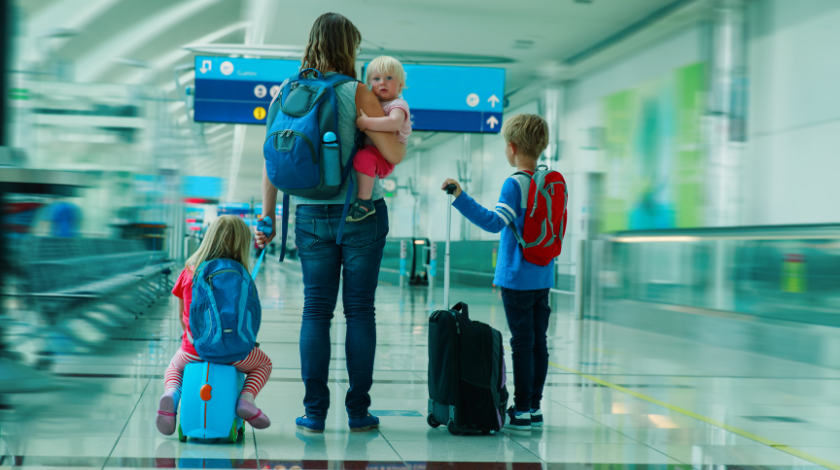

Let me be honest with you right from the start. When I first heard someone say there’s a “50/50 chance” of losing something while traveling, I actually laughed out loud. It sounded like one of those exaggerated travel myths that gets passed around at airport bars between stressed passengers. But then I started thinking about my own travel history, and I realized something that made me stop laughing pretty quickly. Over the past fifteen years of traveling both domestically and internationally, I have personally lost or temporarily misplaced something on roughly half of my trips. Sunglasses left on restaurant tables, a phone that slipped out of my pocket in a taxi, a favorite jacket forgotten in a hotel closet, and yes, even my passport once, which caused me three days of absolute panic in Barcelona.
So maybe that 50/50 figure isn’t as crazy as it initially sounds. But before we accept travel doom as inevitable, let’s look at what the actual data tells us about losing belongings while traveling, where and why these losses happen most frequently, and, more importantly, what experienced travelers do to stack the odds in their favor. Because while some loss risk is unavoidable when you’re constantly moving between unfamiliar places, being smart about your belongings can dramatically reduce your chances of becoming another travel loss statistic.
Understanding the Real Odds of Travel Loss
When we talk about losing things while traveling, we need to separate loss into different categories, because the statistics vary wildly depending on what exactly we’re discussing. If we’re talking about checked luggage getting permanently lost by airlines, the good news is that your odds are actually much better than fifty-fifty. According to SITA’s 2024 baggage handling report, domestic flights in the United States had a mishandling rate of just 1.9 bags per 1,000 travelers, while international flights saw higher but still relatively low rates of 11.2 bags per 1,000 passengers.
That translates to roughly a 0.2% chance for domestic travel and about a 1.1% chance for international trips. So no, you do not have a coin-flip chance of losing your suitcase forever.
However, and this is where things get interesting, those statistics only cover permanently lost luggage. When we expand the definition to include delayed baggage, damaged items, or things you personally misplace during your journey, the numbers start climbing significantly. A comprehensive survey conducted by AXA Partners found that 28% of American travelers reported losing their luggage in some form during the past year, and when you factor in smaller personal items like phones, wallets, cameras, and jewelry, the percentage of travelers who lose something jumps even higher.
Another study by VIP Chalets found that nearly half of all travelers, specifically 48%, admitted to losing at least one item while on holiday.
Now we’re getting closer to that 50/50 territory, aren’t we? But here’s what these statistics don’t fully capture. They measure reported losses, but they don’t account for the countless times travelers temporarily misplace something and find it again, or the near-misses that never get documented. How many times have you patted your pocket in panic only to find your phone in your other jacket? Or searched for your passport only to remember you packed it in a different bag? These moments of travel anxiety are so common that they feel universal, even when they don’t result in actual permanent loss.
The Most Common Items People Lose While Traveling
If we’re going to protect ourselves from travel loss, we need to know what we’re most likely to lose in the first place. Based on data compiled from airport lost-and-found departments, travel insurance claims, and hospitality industry surveys, certain items keep turning up as repeat offenders. Understanding these patterns helps us prioritize what to protect most carefully.
Sunglasses consistently rank as the number one most commonly lost travel item, with 36% of travelers who lose something reporting misplaced shades
This makes perfect sense when you think about it. We take them off when we go indoors, set them down on restaurant tables or poolside chairs, and because they’re relatively inexpensive compared to phones or passports, we don’t guard them with the same vigilance. I have personally lost three pairs of quality sunglasses on different trips, each time leaving them behind in exactly the scenarios described. Hats rank second at 25%, followed by general clothing items at 23%, which often get left in hotel closets or dresser drawers during checkout.
When we move into genuinely valuable items, the statistics become more concerning. Jewellery is misplaced by 16% of travelers who lose something, hotel room keys by 15%, and wallets or money by 14%.
These aren’t just inconveniences; they can completely derail a trip. I remember talking to a woman in Rome who had her wallet stolen on her first day, and she spent the entire vacation dealing with banks and embassies instead of seeing the Colosseum. Tech items also feature prominently, with cameras lost by 9% of travelers and phones by 5%. However, I suspect the phone number is actually higher, given how essential they’ve become for modern travel.
Perhaps most alarming is that passports, while lost by only 4% of travelers according to surveys, represent the most disruptive loss. The U.S. Department of State reports hundreds of thousands of lost or stolen passports annually, and replacing one abroad requires hours at embassies, new photographs, fees, and often delayed travel plans.
When you add up all these categories, it becomes clear that while you might not lose your checked luggage, the cumulative probability of misplacing something important during a multi-day trip is genuinely significant.
Why We Lose Things More Often When Traveling
Understanding why travel increases our loss risk is crucial for developing effective prevention strategies. The reasons go far beyond simple carelessness and tap into fundamental aspects of how our brains function under travel stress.
First, travel puts us in a constant state of cognitive overload. Every new environment requires mental processing. Where is the hotel? How do we navigate this subway system? What time is our flight? What was the name of that restaurant? This mental load, which researchers call cognitive burden, significantly reduces our working memory capacity. When your brain is busy processing unfamiliar stimuli, it has fewer resources available to track your physical belongings. That is why you might carefully pack your passport in a specific pocket at home, then completely forget which pocket you used when you’re rushing through an unfamiliar airport.
Second, travel disrupts our established routines and environmental cues. At home, you probably have specific places for your keys, wallet, and phone. You hang your jacket on the same hook, and put your sunglasses in the same drawer. These environmental anchors help your brain automate the location-tracking of your belongings without conscious effort. When traveling, every hotel room, Airbnb, and transit station has different furniture arrangements, different lighting, different everything. Without those familiar anchors, you must use conscious effort to remember where you put things, and that’s exactly what gets depleted when you’re tired, jet-lagged, or stressed.
Third, travel involves constant transitions and repacking. Every time you move from the hotel to a taxi to an airport to a plane to another taxi, you’re handling your belongings repeatedly. Each transition creates an opportunity to leave something behind. I cannot count how many times I’ve done the “pat down” check before leaving a location, only to realize later that I was checking for the wrong things or relying on muscle memory rather than actual verification.
Finally, travel emotions run high. Excitement, anxiety, fatigue, and the pressure to maximize limited vacation time all affect our attention. We’re often multitasking, checking phones while walking, managing luggage while navigating, or conversing with travel companions while packing. Divided attention is the enemy of memory formation, which means we literally don’t form strong memories of where we placed items during these distracted moments.
High-Risk Situations and Locations
Not all travel moments carry equal loss risk. Certain situations and locations consistently show up in loss reports as particularly dangerous for your belongings. Being aware of these hotspots allows you to increase your vigilance at the right times.
Security checkpoints at airports are perhaps the most notorious loss location. You’re required to remove laptops, liquids, belts, shoes, jackets, and sometimes more. You’re rushed by people behind you in line, stressed about making your flight, and trying to handle multiple bins at once. It is incredibly easy to grab your rolling suitcase and backpack while leaving your laptop in the bin, or to collect your phone from the conveyor, but forget the jacket that went through separately. I always make a mental checklist before approaching security: phone, wallet, passport, laptop, jacket, and I physically count items as I repack.
Hotels and accommodations present another major risk zone, particularly during checkout. You’re often rushing to make a flight, sleep-deprived from last-minute packing, and dealing with unfamiliar room layouts. The most commonly forgotten hotel items include chargers left plugged into wall outlets, items in room safes (ironically, the very place meant to protect them), clothing in closets or drawers, and toiletries in bathrooms. I developed a specific routine after losing a favorite sweater in a Paris hotel. I now do a systematic sweep of the room before leaving: bathroom check, closet check, drawer check, bed check (for items that fell beside it), safe check, and outlet check. It takes three minutes and has saved me countless losses.
Public transportation, particularly crowded subways, buses, and trains in tourist-heavy cities, combines loss and theft risks. Pickpockets operate in these environments precisely because distracted tourists are easy targets. But beyond theft, simple loss happens constantly. Phones slip from pockets when you’re squeezed between other passengers. Bags get set down and forgotten when you reach your stop. I once left a daypack on a Rome metro train because I was so focused on helping my elderly mother navigate the crowded car. We realized two stops later, and thankfully recovered it, but the panic was unforgettable.
Restaurants, cafes, and bars are surprisingly common loss locations, especially for phones, wallets, and sunglasses. We set these items on tables, chairs, or bar counters, then get engrossed in conversation or food. When we stand up to leave, we grab our coats but not the item sitting on the windowsill behind us. I now make a point of doing a “table scan” before standing up anywhere, checking not just my immediate seat but the surrounding area where I might have placed things.
Practical Strategies to Protect Your Belongings
Knowing the risks is only half the battle. The real value comes from implementing specific, actionable strategies that experienced travelers use to keep their belongings safe. These aren’t theoretical suggestions; they’re field-tested methods that work in real travel scenarios.
The single most important principle is to minimize what you carry in the first place. Every item you bring is an item you can lose. Before any trip, I conduct a ruthless inventory of whether I truly need each item. That expensive watch? Leave it at home. The backup backup camera? Probably unnecessary. Multiple credit cards? Bring two, not five. The less you carry, the less you can lose, and the more attention you can devote to what remains. This philosophy extends to cash as well. With ATMs available almost everywhere, there’s no need to travel with large amounts of currency. Carry what you need for a few days, and access more as required.
For the items you must bring, develop a consistent carrying system and stick to it religiously. I use the same crossbody bag for every trip, with specific pockets designated for specific items. My passport and primary credit card always go in the hidden interior pocket. My phone goes in the front zippered pocket. My cash goes in a separate compartment. Because this system never changes, checking for my essentials becomes automatic. I can pat my bag and instantly know if something is missing because each item has a designated location that never changes.
Technology offers powerful loss-prevention tools that every traveler should use. Tracking devices like Apple AirTags or Tile trackers have revolutionized luggage security. I place one in my checked suitcase, one in my carry-on, and one in my wallet. These small devices use Bluetooth networks to show your item’s location on a map. While they won’t prevent loss, they dramatically increase the chances of recovery. I’ve used AirTags to locate luggage that was misrouted to a different city, and to find a wallet that fell under a rental car seat. The peace of mind alone is worth the minimal cost.
For travel days when you’re carrying everything you own through airports and stations, consider using a money belt or hidden neck pouch for your most critical documents and backup cards. I know money belts feel touristy and slightly uncomfortable, but they serve an essential purpose on transit days. Your passport, emergency cash, and backup credit card stay against your body, under your clothing, completely inaccessible to loss or theft. Your daily wallet carries only what you need for immediate expenses. Even if your day bag gets stolen or left behind, your ability to continue traveling remains intact.
Develop specific routines for high-risk moments. Before leaving any location, I perform what I call the “essentials check”: phone, wallet, passport, keys. I physically touch each item as I name it aloud. This sounds excessive, but it takes ten seconds and has prevented countless losses. For hotel checkout, I use a systematic room-sweep method, checking the same spots in the same order each time. These routines become habits that operate even when you’re tired or distracted.
Digital backups provide crucial insurance against document loss. Before any international trip, I scan my passport, visa, travel insurance documents, and credit cards, then email them to myself and store them in cloud storage. I also leave copies with a trusted contact at home. If the physical documents are lost or stolen, these digital copies dramatically speed up replacement processes at embassies and banks. I also maintain a simple inventory list of what I’m carrying, which helps with insurance claims if anything is stolen.
Insurance represents your final safety net. Travel insurance that covers lost or stolen belongings is relatively inexpensive compared to the cost of replacing cameras, laptops, or entire wardrobes. When purchasing policies, pay attention to coverage limits for individual items and categories. Standard policies often have low limits for electronics or jewelry so that you may need supplemental coverage for high-value equipment. Keep receipts for expensive items and photograph them before traveling, as these are common requirements for claims.
The Psychology of Travel Vigilance
Beyond physical strategies, developing the right mental approach to travel security is enormously important. Many travelers swing between two unhelpful extremes: paralyzing anxiety about loss that ruins the travel experience, or careless complacency that makes loss inevitable. The goal is calibrated vigilance, aware but not obsessive.
I think of travel security like defensive driving. You don’t drive in constant fear of accidents, but you do maintain awareness of risks, position yourself defensively, and avoid unnecessary hazards. Similarly, you shouldn’t travel in constant fear of theft or loss. However, you should maintain a baseline level of awareness, position your belongings defensively, and avoid unnecessary risks, such as flashing expensive jewelry in crowded markets or leaving bags unattended at cafes.
Mindfulness practices help enormously with this balanced approach. When you’re constantly projecting into the future about potential problems or dwelling on past mistakes, you’re not present to notice your current surroundings. Simple grounding techniques, such as taking three deep breaths before transitions or consciously noting your surroundings when handling valuables, keep you present and aware. I practice a brief moment of full attention whenever I’m repacking my bag or handling my passport, treating it with the seriousness it deserves.
Accepting that some loss risk is inherent to travel also helps manage anxiety. You can do everything right and still have something stolen or misplaced. Travel insurance exists precisely because perfect prevention is impossible. Rather than striving for zero risk, which creates impossible pressure, aim for reasonable risk reduction. Take the precautions described here, purchase appropriate insurance, then release the anxiety and enjoy your trip. The mental energy you save from worrying is better spent on the experiences that make travel worthwhile.
What To Do When You Lose Something
Despite all precautions, losses still happen. Knowing how to respond efficiently can mean the difference between a minor inconvenience and a trip-ruining disaster. The first hours after discovering a loss are critical for recovery.
For items lost in hotels or transportation, immediate action is essential. Contact the hotel’s front desk or lost-and-found department immediately, if possible, before you leave the property. For airlines, file a lost baggage report at the airport before leaving, and get a reference number. Most airlines have online tracking systems that let you monitor the progress of your search. For items lost in taxis or rideshares, contact the company immediately. Many have protocols for connecting drivers with passengers for lost item returns.
For suspected theft, file a police report immediately, even if you doubt recovery. Insurance claims and embassy document replacement often require official police documentation. Note details like time, location, and circumstances while they’re fresh in your memory. Contact your bank to cancel stolen cards within minutes if financial items are involved. Most banks have 24-hour international hotlines specifically for this purpose.
For passport loss abroad, contact your country’s embassy or consulate immediately. They have emergency procedures for issuing temporary travel documents, though this typically requires in-person visits during business hours, new photographs, and fees. Having digital copies of your passport dramatically speeds this process. Some countries offer emergency same-day service for imminent departures, but this varies by location and circumstances.
Conclusion
So, is there really a 50/50 chance of losing something when you travel? The honest answer is that it depends entirely on how you define “losing something.” If you mean permanently losing checked luggage to airline mishandling, the odds are far lower, roughly 1-2% for most flights. But if you include temporarily misplacing items, minor losses like sunglasses or chargers, or experiencing baggage delays, the probability that some form of loss will occur during your travels probably does approach that coin-flip territory, especially for longer or more complex trips.
However, and this is the crucial point, these statistics don’t have to apply to you personally. The travelers who experience losses are often those who travel without specific prevention strategies, who assume that careful behavior at home automatically transfers to travel contexts, or who simply haven’t thought systematically about risk management. By understanding why travel increases loss risk, recognizing high-risk situations, implementing consistent protective routines, and using available technology and insurance, you can dramatically shift your personal odds.
I have traveled extensively for over fifteen years. While I experienced numerous losses in my early travel days, the systematic approaches described in this article have reduced my loss incidents to nearly zero over the past five years. The peace of mind this creates is invaluable. Travel should be about discovery and enjoyment, not constant anxiety about your belongings. With proper preparation, you can tip the odds firmly in your favor and focus on what really matters: the incredible experiences that await you.
FAQ
Q: What are the actual statistics for losing luggage on flights? A: According to 2024 SITA data, domestic flights mishandle approximately 1.9 bags per 1,000 passengers (0.19% chance), while international flights see higher rates of 11.2 bags per 1,000 (1.12% chance). Permanent loss is much rarer than delay or damage.
Q: What items do travelers lose most frequently? A: Sunglasses top the list at 36% of reported losses, followed by hats (25%), clothing (23%), jewelry (16%), hotel keys (15%), wallets (14%), cameras (9%), and phones (5%).
Q: Is travel insurance worth it for protecting against loss? A: Yes, particularly for international travel or trips involving expensive equipment. A 2024 study found that 25% of travelers who bought insurance were compensated for lost luggage, and policies typically cover theft and misplacement as well as airline mishandling.
Q: Do anti-theft bags actually work? A: Anti-theft features like slash-proof straps, lockable zippers, and RFID blocking provide meaningful protection against theft, particularly in high-risk areas. While not foolproof, they significantly increase the difficulty for opportunistic thieves.
Q: What should I do immediately if I lose my passport abroad? A: Contact your country’s nearest embassy or consulate immediately. File a police report if theft is suspected. Bring digital copies of your passport, new passport photos, identification, and fees to the embassy appointment. Emergency temporary documents can often be issued within 24-48 hours.
Q: Do security experts still recommend money belts? A: Yes, particularly for transit days when you’re carrying all your valuables. Modern security experts recommend wearing a money belt under clothing for passports, emergency cash, and backup cards, while keeping daily spending money in a regular wallet.
Q: How can I prevent leaving items in hotel rooms? A: Develop a systematic checkout routine: bathroom check, closet check, drawer check, bed check, safe check, and outlet check. Do this same sweep in the same order every time. The consistency creates a habit that works even when you’re rushed or tired.