Equipment Distribution Center: The Complete 2024 Guide to Industrial Logistics and Supply Chain Excellence

When you drive past a massive construction site and see dozens of excavators, cranes, and bulldozers working in perfect synchronization, you are witnessing the result of a complex supply chain that most people never think about. Behind every piece of heavy machinery, every replacement part that arrives just in time to prevent costly downtime, and every tool that keeps factories humming lies a sophisticated network of equipment distribution centers. These facilities are the unsung heroes of modern industry, and understanding how they work can mean the difference between operational excellence and expensive delays for your business.
I have spent over fifteen years working with industrial supply chains, and I have seen firsthand how the right distribution strategy can transform a struggling operation into a lean, efficient machine. Conversely, I have watched companies hemorrhage money because they treated equipment distribution as an afterthought rather than a strategic priority. This guide shares everything I have learned about equipment distribution centers, from the basics to advanced optimization strategies, so you can make informed decisions that protect your bottom line.
What Is an Equipment Distribution Center, Really?
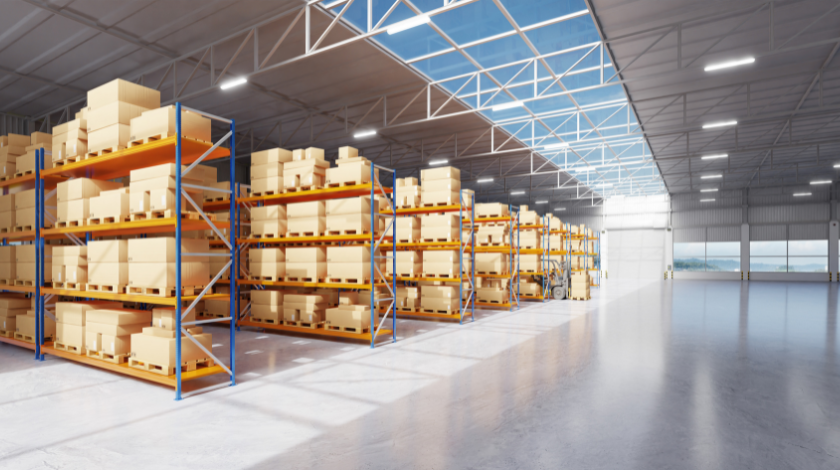
An equipment distribution center is a specialized facility designed to store, manage, and distribute machinery, tools, parts, and equipment to businesses that need them. Unlike a standard warehouse that might handle consumer goods or raw materials, these centers handle high-value, often oversized items that require specialized handling, storage conditions, and transportation logistics. Think of them as massive staging areas where industrial equipment lives before it reaches construction sites, manufacturing plants, agricultural operations, or maintenance facilities.
The key difference between a regular warehouse and an equipment distribution center lies in complexity. When you are storing boxes of shoes or electronics, the main concerns are shelf space and basic inventory tracking. But when you are dealing with a twenty-ton excavator, a delicate CNC machine, or thousands of critical spare parts for factory maintenance, everything changes. You need specialized racking systems that can handle extreme weight, climate-controlled environments for sensitive electronics, and sophisticated inventory management systems that can track everything from a massive generator down to a single specialized bolt.
These centers serve as the critical link between equipment manufacturers and the end users who depend on that equipment to generate revenue. Without them, manufacturers would struggle to reach customers efficiently, and businesses would face constant delays waiting for essential equipment. The global industrial distribution market, which includes equipment distribution centers, was valued at over $7.4 trillion in 2025 and is projected to grow steadily as industrialization continues worldwide. That massive figure tells you something important: this industry is not just big, it is essential to the global economy.
The Major Types of Equipment Distribution Centers You Should Know
Not all equipment distribution centers are created equal, and understanding the different types helps you identify which model fits your specific needs. The industry has evolved to create specialized facilities that cater to distinct market segments, each with its own unique challenges and operational requirements.
Heavy Machinery and Construction Equipment Distribution Centers handle the giants of industry: excavators, bulldozers, cranes, loaders, and specialized construction vehicles. These facilities require reinforced flooring, extra-wide loading docks, and outdoor storage yards capable of handling dozens of massive machines. I once visited a distribution center in Texas that stored over $200 million worth of construction equipment, and the sheer scale was staggering. Every machine had to be maintained in a ready-to-work condition, with batteries charged and fluids topped off, because a contractor waiting for equipment is losing thousands of dollars per day due to project delays.
MRO Distribution Centers focus on Maintenance, Repair, and Operations supplies. These facilities keep factories running by stocking everything from replacement bearings and electrical components to safety gear and cleaning supplies. What makes MRO centers fascinating is the sheer breadth of inventory they manage. A single facility might stock 50,000 different part numbers, ranging from items worth pennies to critical components worth tens of thousands. The challenge here is inventory optimization: you need to have the right part available immediately when a machine breaks down, but you cannot afford to tie up millions of dollars in inventory that sits on shelves for years.
Agricultural Equipment Distribution Centers serve the farming industry with tractors, combines, harvesters, and specialized implements. These facilities often have seasonal demand patterns that would give a regular warehouse manager nightmares. During planting and harvest seasons, demand spikes dramatically, and distributors must be prepared to move massive volumes of equipment and parts in short windows. The rest of the year, activity slows considerably, requiring careful capacity planning and flexible staffing models.
Medical and Laboratory Equipment Distribution Centers operate under entirely different constraints. These facilities house sensitive, often expensive equipment that requires climate control, cleanroom conditions, and extremely careful handling. A distribution center storing MRI machines or laboratory analyzers cannot afford the damage rates that might be acceptable in other industries. One mishandled unit could represent a $500,000 loss, not to mention the impact on patient care if critical medical equipment is delayed.
Inside the Equipment Distribution Process: From Manufacturer to End User
Understanding how equipment actually moves through a distribution center helps you appreciate the complexity involved and identify potential bottlenecks in your own supply chain. The process begins long before equipment arrives at the facility, with sophisticated demand forecasting and inventory planning.
When equipment arrives at a distribution center, it undergoes a rigorous receiving process that goes far beyond simply counting boxes. Each item is inspected for shipping damage, verified against purchase orders, and entered into inventory management systems with detailed specifications, warranty information, and maintenance requirements. For heavy equipment, this might involve testing engines, checking hydraulic systems, and documenting every scratch or cosmetic imperfection. I have seen receiving processes take three days for a single shipment of specialized manufacturing equipment because the stakes are so high: once that equipment leaves the facility, any undiscovered damage becomes a costly dispute between the distributor, manufacturer, and customer.
Storage strategies vary dramatically based on equipment type and turnover rates. Fast-moving items might be kept near shipping docks for immediate access, while slow-moving, high-value capital equipment is stored in secure areas with restricted access. Many modern facilities use vertical storage systems and automated retrieval for smaller parts, while heavy machinery requires carefully planned outdoor yards with designated traffic patterns to prevent damage during movement.
The order fulfillment process is where efficiency truly gets tested. When a customer places an order, the distribution center must locate the item, verify availability, prepare it for shipment, and coordinate transportation. For a small parts order, this might take hours. For a 40-ton excavator, it could take days of preparation, including fluid checks, battery installation, and loading onto specialized trailers. The best distribution centers have streamlined these processes to the point where they can predict exactly when an order will be ready and coordinate transportation seamlessly.
Last-mile delivery for heavy equipment presents unique challenges that consumer goods distributors never face. You cannot simply load a bulldozer onto a standard box truck and hope for the best. Specialized trailers, route planning that accounts for bridge weight limits and overhead clearances, and coordination with job site receiving teams all add layers of complexity. The most sophisticated distributors offer real-time tracking that lets customers know exactly when their equipment will arrive, down to the minute.
Technology Is Transforming Equipment Distribution Centers
If you walked through an equipment distribution center ten years ago and then visited one today, the difference would be striking. Technology has revolutionized every aspect of these operations, creating efficiencies that were previously impossible.
Warehouse Management Systems (WMS) have evolved from simple inventory tracking tools to sophisticated platforms that optimize every aspect of operations. Modern systems use algorithms to determine optimal storage locations, predict maintenance needs, and even suggest the most efficient picking routes for warehouse staff. The best systems integrate seamlessly with customer ERP systems, enabling automated reordering and real-time visibility into inventory levels.
Internet of Things (IoT) sensors are changing how equipment is monitored while in storage. Imagine knowing the exact temperature, humidity, and vibration levels affecting your sensitive machinery at any moment. Sensors can detect when equipment is moved unexpectedly, monitor battery health in stored vehicles, and even predict when maintenance will be needed based on environmental conditions. This level of visibility was science fiction a decade ago, but is now standard in leading facilities.
Automation and robotics are making inroads even in heavy equipment distribution. While you will not see robots moving excavators anytime soon, automated guided vehicles (AGVs) are increasingly handling smaller parts and components. Robotic systems can sort, pack, and prepare shipments faster and more accurately than human workers for certain tasks, freeing up skilled employees for more complex work that requires judgment and expertise.
Predictive analytics might be the most game-changing technology of all. By analyzing historical data, seasonal patterns, and external factors such as weather and economic indicators, distribution centers can predict demand with remarkable accuracy. This means having the right equipment in the right place at the right time, minimizing both stockouts and excess inventory. One distributor I worked with reduced its inventory carrying costs by 25% while actually improving availability by implementing predictive analytics.
Why Your Choice of Distribution Partner Matters More Than You Think
Selecting an equipment distribution partner is one of those decisions that seems straightforward until you realize how much is at stake. The wrong choice can lead to project delays, cost overruns, and operational headaches that plague your business for years. The right choice creates a competitive advantage that rivals find difficult to replicate.
When evaluating potential partners, start by looking at their specialization. A general-purpose warehouse is rarely the best choice for specialized equipment. You want a partner who understands your industry, speaks your language, and has experience handling the specific types of equipment you depend on. Ask about their experience with similar clients and request references you can actually call.
Technology capabilities should be high on your evaluation list. Can they provide real-time inventory visibility? Do their systems integrate with your ERP platform? Can they offer predictive maintenance support or vendor-managed inventory programs? In today’s connected world, a distribution partner without robust technology is a liability, not an asset.
Geographic coverage matters tremendously, especially if you operate in multiple regions. A partner with a distributed network of facilities can get equipment to you faster and provide redundancy if one location faces disruptions. However, do not assume that bigger is always better. Sometimes regional specialists offer better service and more flexibility than national giants.
Perhaps most importantly, evaluate their commitment to customer service. Equipment distribution is not a transactional business; it is a relationship business. When your production line is down, and you need a critical part immediately, you need a partner who will answer the phone at 2 AM and move heaven and earth to get you back online. Look for partners who assign dedicated account managers, offer 24/7 support, and demonstrate a genuine commitment to your success rather than just their own profitability.
Common Challenges and How Top Performers Overcome Them
Even the best equipment distribution centers face constant challenges. Understanding these challenges and how industry leaders address them can help you set realistic expectations and identify truly capable partners.
Seasonal demand fluctuations wreak havoc on capacity planning. Construction equipment demand spikes in spring and summer; agricultural equipment follows planting and harvest cycles; and even industrial MRO supplies follow fiscal-year budgeting. Top distributors use flexible staffing models, temporary storage solutions, and strategic pre-positioning of inventory to smooth out these peaks. They also work closely with customers to forecast needs and level-load demand where possible.
Supply chain disruptions have become increasingly common, from pandemic-related shortages to transportation capacity constraints. Leading distributors maintain safety stock of critical items, develop alternative supplier relationships, and invest in supply chain visibility tools that provide early warning of potential disruptions. They also build flexibility into their transportation networks, using multiple carriers and modes to ensure they can always move product.
Managing oversized and heavy inventory requires specialized expertise that cannot be improvised. This includes everything from proper lifting equipment and rigging techniques to understanding complex transportation permitting requirements. The best facilities employ certified riggers and maintain relationships with specialized carriers who understand the unique requirements of heavy equipment logistics.
Regulatory compliance grows more complex every year, with safety regulations, environmental requirements, and transportation rules constantly evolving. Top distributors invest heavily in compliance training, maintain rigorous documentation, and often employ dedicated compliance staff. They view compliance not as a burden but as a competitive advantage that protects their customers from liability.
The Future of Equipment Distribution: Trends Shaping the Industry
Looking ahead, several trends are reshaping equipment distribution, impacting your business, whether you are a distributor, manufacturer, or end user.
Sustainability and green logistics are moving from nice-to-have to essential. Customers increasingly demand environmentally responsible practices, from energy-efficient facilities to optimized transportation routes that minimize carbon emissions. Electric and alternative-fuel vehicles are beginning to appear in distribution fleets, and facilities are investing in solar power and sustainable packaging materials.
Digital transformation continues to accelerate, with artificial intelligence and machine learning enabling new levels of optimization. We are seeing the emergence of “digital twins” of distribution centers that allow operators to simulate changes and optimize layouts without disrupting operations. Blockchain technology is beginning to provide immutable records of equipment provenance and maintenance history, particularly valuable in high-value used-equipment markets.
Regionalization of supply chains is a response to recent global disruptions. Rather than relying on massive centralized distribution centers, many companies are moving toward regional hub strategies that place inventory closer to end users. This reduces transportation costs and lead times while providing better resilience against supply chain shocks.
Integration of augmented and virtual reality is changing training and maintenance support. Technicians can now receive guidance from remote experts through AR headsets, and customers can visualize how equipment will fit in their facilities before it ever ships. These technologies are particularly valuable for complex industrial equipment that requires specialized installation expertise.
Conclusion
Equipment distribution centers are far more than simple storage facilities. They are sophisticated operations that combine physical infrastructure, advanced technology, and human expertise to keep industries running smoothly. Whether you are a construction company that depends on timely equipment delivery, a manufacturer that requires just-in-time MRO supplies, or a distributor looking to optimize your operations, understanding how these centers work is essential.
The industry is evolving rapidly, driven by technology, changing customer expectations, and global economic forces. Companies that treat equipment distribution as a strategic priority and partner with capable, innovative distributors will thrive. Those who continue to view it as a simple logistics function will struggle to compete in an increasingly complex marketplace.
As you evaluate your current distribution arrangements or consider new partnerships, remember that the cheapest option is rarely the best. Look for partners who invest in technology, demonstrate deep industry expertise, and are genuinely committed to your success. In the world of equipment distribution, the right relationship can transform your operations and provide competitive advantages that last for years.
Frequently Asked Questions
What exactly does an equipment distribution center do?
An equipment distribution center stores, manages, and distributes machinery, parts, and tools to businesses. Unlike regular warehouses, they handle high-value, often oversized industrial equipment requiring specialized handling, storage, and transportation logistics. They serve as the critical link between manufacturers and end users, ensuring equipment is available when and where needed.
How is an equipment distribution center different from a regular warehouse?
Equipment distribution centers handle specialized, high-value items like heavy machinery, industrial parts, and sensitive equipment. They require reinforced structures, specialized handling equipment, climate control for sensitive items, and sophisticated inventory systems. Regular warehouses typically store standard consumer or commercial goods that do not require the same level of specialized handling or security.
What types of businesses need equipment distribution centers?
Construction companies, manufacturing facilities, agricultural operations, mining companies, utility providers, and maintenance operations all depend on equipment distribution centers. Any business that uses heavy machinery, requires regular maintenance supplies, or needs specialized industrial equipment can benefit from these facilities.
How do I choose the right equipment distribution partner?
Look for specialization in your industry, robust technology capabilities including real-time inventory visibility, geographic coverage that matches your operations, and a demonstrated commitment to customer service. Ask for references, visit facilities, and evaluate their ability to scale with your business needs.
What technology should modern equipment distribution centers use?
Leading facilities use Warehouse Management Systems (WMS), IoT sensors for environmental monitoring, automated guided vehicles for material handling, predictive analytics for demand forecasting, and real-time tracking systems. Integration capabilities with customer ERP systems are also essential for seamless operations.
How can equipment distribution centers help reduce costs?
By optimizing inventory levels to prevent both stockouts and excess carrying costs, consolidating shipments to reduce transportation expenses, providing vendor-managed inventory programs, and offering predictive maintenance support that prevents costly downtime. The strategic location of inventory also reduces delivery times and associated costs.
What is MRO distribution, and why does it matter?
MRO stands for Maintenance, Repair, and Operations. MRO distribution centers stock the parts, supplies, and equipment needed to keep facilities running. While these items do not become part of finished products, they are essential for operational continuity. Effective MRO distribution prevents costly production downtime and maintenance delays.
How are equipment distribution centers addressing sustainability?
Leading centers are investing in energy-efficient facilities, electric and alternative-fuel vehicle fleets, optimized transportation routes to reduce emissions, sustainable packaging materials, and solar power generation. Many are also implementing circular economy principles for equipment refurbishment and recycling.