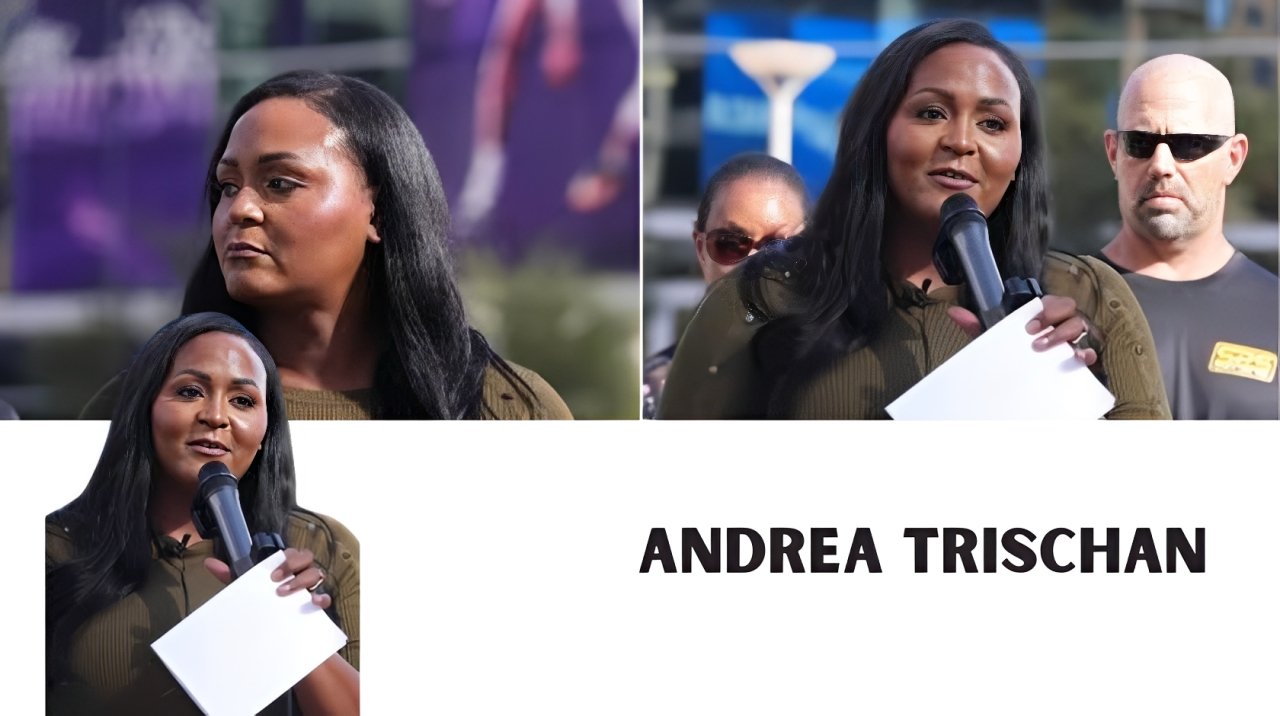
When Andrea Trischan walked into her new role at the Phoenix Suns in September 2022, she genuinely believed she was stepping into a position where she could make meaningful change. The NBA franchise was reeling from one of the most damaging workplace scandals in professional sports history, and Trischan was hired specifically to help rebuild trust and implement legitimate diversity, equity, and inclusion initiatives. What happened over the next ten months would not only derail her career but also spark a legal battle that has drawn national attention and raised serious questions about whether organizations truly commit to change or perform the act of reform.
The $60 million discrimination and wrongful termination lawsuit filed by Andrea Trischan against the Phoenix Suns represents more than just another employment dispute in the sports industry. It cuts to the heart of how organizations handle internal criticism, whether DEI roles hold any real power, and what happens to employees who try to hold powerful institutions accountable. This case has become a flashpoint in ongoing conversations about workplace culture in professional sports, and understanding the full story requires looking beyond the headlines to the human experience at its center.
Who Is Andrea Trischan? Understanding the Professional Behind the Headlines
Before she became known as the former Suns employee suing one of the NBA’s most prominent franchises, Andrea Trischan built a career focused on program management and organizational development. A graduate of Arizona State University, Trischan spent over two decades developing expertise in project and program oversight, with particular emphasis on equity initiatives and organizational change management. Her background wasn’t just about checking diversity boxes; she had spent years understanding how to implement systemic changes that actually improve workplace culture.
What struck many people who worked with Trischan was her genuine commitment to the work. This wasn’t someone who saw DEI as a trendy corporate add-on or a pathway to easy publicity. Colleagues described her as thorough, principled, and unwilling to compromise when she believed organizational practices were harming employees. These qualities, which should have been assets in a role designed to reform a troubled workplace culture, apparently became liabilities when they conflicted with the interests of powerful executives.
Her hiring in September 2022 came at a pivotal moment for the Suns. Just six days earlier, the NBA had suspended then-owner Robert Sarver for one year and fined him $10 million following a devastating investigation that uncovered years of workplace misconduct and organizational deficiencies. The league specifically mandated that the Suns retain outside firms to evaluate workplace training programs and hiring practices, with special attention to fostering a diverse and respectful environment. Trischan was brought in to help lead this transformation, and by all accounts, she took that responsibility seriously. Perhaps too serious for some people’s comfort.
The Promise of Change: Why Trischan Took the Job
To understand why Andrea Trischan felt so strongly about her work, you have to understand the context of the Suns organization when she joined. The NBA’s investigation into Robert Sarver had revealed a workplace where racism, sexism, and bullying were reportedly normalized. Employees had described a toxic environment where fear prevailed, and accountability was nonexistent. When Mat Ishbia purchased the team for roughly $4 billion, there was supposed to be a clean break from this culture.
Trischan wasn’t naive about the challenges ahead. Anyone with experience in organizational change knows that transforming workplace culture takes years, not months. But what she reportedly encountered went beyond the typical resistance to change. According to her legal filings, she almost immediately found herself working in an environment where the same executives accused of perpetuating the toxic culture under Sarver remained in positions of power, and where her efforts to implement meaningful DEI initiatives were actively undermined.
The situation came to a head in November 2022, just two months into her tenure, when Trischan learned that the Suns were creating a diversity council without consulting her. This council would include several executives who had been named in ESPN investigations as key figures in the problematic workplace culture under the previous ownership. When Trischan raised concerns about including executives accused of misconduct on a council meant to address that very misconduct, she was allegedly told that their participation was meant to help “reshape their image.” This explanation struck her as fundamentally backwards, prioritizing the rehabilitation of accused executives over the protection of employees who had suffered under their leadership.
When Doing Your Job Becomes a Liability
The breaking point in Andrea Trischan’s employment came when she began investigating claims of misconduct against these same executives. In her legal filings, Trischan describes how her direct manager, Kim Corbitt, who served as the Suns’ head of human resources, explicitly told her to cease her investigation into the allegations in the ESPN report. According to Trischan’s account, Corbitt expressed concerns about her looking into complaints against Suns executives, suggesting that such investigations were outside her role as DEI program manager.
This moment captures the impossible position that many internal reformers find themselves in. Trischan had been hired to address discrimination and improve workplace culture. Yet, when she attempted to do exactly that by investigating credible allegations against powerful people, she was told to stop. The message seemed clear: DEI work was welcome as long as it didn’t threaten existing power structures or hold specific individuals accountable.
What followed, according to her lawsuit, was a pattern of harassment, discrimination, and retaliation that made her job increasingly difficult. Trischan describes facing hostility from colleagues and superiors for attempting to address discriminatory behavior and for filing complaints about her experiences. By late May 2023, she was placed on a performance improvement plan, a common tactic that organizations use to create paper trails before terminating employees they consider troublesome. Two months later, in July 2023, she was fired after less than ten months on the job.
The Suns have maintained that Trischan was terminated due to “repeated failure to perform her job duties,” a standard corporate explanation that contrasts sharply with Trischan’s account of being punished for doing exactly what she was hired to do. This discrepancy between official explanations and employees’ experiences is unfortunately common in wrongful termination cases, and it often falls to the courts to determine which version of events is more truthful.
The Legal Journey: From State Agencies to Federal Court
Andrea Trischan’s path to justice has been anything but straightforward, illustrating the challenges that employees face when taking on powerful organizations. After her termination in July 2023, she filed complaints with both the U.S. Equal Employment Opportunity Commission (EEOC) and the Arizona Attorney General’s Office, Civil Rights Division. These agencies are supposed to protect workers from exactly the kind of discrimination and retaliation that Trischan alleged. Still, their ability to provide relief is often limited by resource constraints, political considerations, and the inherent difficulty of proving discrimination.
For months, Trischan navigated this process without legal representation, a situation that put her at a significant disadvantage when dealing with a billion-dollar organization with teams of lawyers. It wasn’t until July 2024 that she hired attorney Sheree Wright, who brought experience from her time as an EEOC investigator and a reputation for taking on difficult discrimination cases. This delay in obtaining representation may have affected the initial outcomes of her complaints.
In November 2024, the Arizona Attorney General’s Office dismissed Trischan’s charge, concluding that there wasn’t sufficient evidence to establish violations of civil rights statutes. However, this dismissal came with an important caveat: the office specifically noted that this finding didn’t certify that the Suns complied with civil rights laws. No findings were made regarding the other issues raised in the complaint. Trischan’s attorney, Sheree Wright, clarified that the dismissal reflected a lack of evidence rather than a determination that no discrimination occurred, noting that limited resources and overwhelming caseloads constrained the Attorney General’s office.
Rather than accepting this setback, Trischan and Wright viewed it as a reason to pursue the matter in federal court, where they believed a diverse jury would have the opportunity to hear the full evidence. On November 14, 2024, Trischan filed her lawsuit in U.S. District Court in Arizona, seeking unspecified damages to be determined at trial. This move from administrative complaints to federal litigation represents a significant escalation. It suggests that Trischan’s team believes they have evidence that will persuade a jury, even if it didn’t convince state investigators.
The Organization’s Defense and the “Money Grab” Narrative
The Phoenix Suns have not remained silent in the face of these allegations, and their response has been aggressive and consistent. From the beginning, the organization has characterized Trischan’s claims as baseless and her $60 million demand as ridiculous. After the Arizona Attorney General’s Office dismissed her complaint, Suns senior vice president of communications Stacey Mitch released a statement saying the team was pleased with the decision and that Trischan’s claims had been without merit from day one.
The most pointed response came from Suns owner Mat Ishbia during media day in September 2024, when he characterized the multiple lawsuits facing the franchise, including Trischan’s, as a “money grab.” Ishbia’s comments reflected a particular philosophy about legal disputes: “Where I’m different from most successful people, or people that you say have a lot of money, is we don’t settle. So if we don’t do anything wrong, I’m not paying someone.” He challenged the media to report on how many lawsuits the Suns actually lose, expressing confidence that they wouldn’t lose any because the claims were “ridiculous.”
This approach, while potentially effective at discouraging future lawsuits, raises questions about how the organization views employee complaints and whether it would acknowledge wrongdoing in any scenario. The refusal to settle, even in cases where evidence might suggest some organizational failure, sends a message that the Suns would rather spend money on legal defense than on making things right with former employees. For someone like Andrea Trischan, who believes she was wronged and blocked in her industry, this stance forces her to endure a lengthy, expensive court battle with no guarantee of a resolution.
It’s worth noting that Trischan is not the only former employee suing the Suns for discrimination and retaliation. Former security manager Gene Traylor and former Mercury interim coach Nikki Blue have filed similar lawsuits, suggesting a pattern that extends beyond a single disgruntled employee. While the Suns maintain that each case is without merit, the accumulation of similar complaints from different employees in different roles creates a troubling picture of organizational culture that will likely influence public perception regardless of legal outcomes.
What This Case Means for Workplace Reform in Sports
The Andrea Trischan lawsuit against the Phoenix Suns sits at the intersection of several important trends in professional sports and, more broadly, in American workplaces. First, it highlights the challenges of implementing genuine DEI initiatives in organizations with deeply entrenched cultures. Hiring a DEI manager is easy; giving that person actual authority to investigate misconduct and hold powerful people accountable is much harder. Trischan’s experience suggests that the Suns wanted the appearance of reform without the substance. This criticism has been leveled at many organizations in the wake of the 2020 racial justice protests.
Second, the case illustrates the risks that employees take when they become internal whistleblowers or reformers. Trischan was fired after less than a year, and her public battle with the Suns has made her a controversial figure in the sports industry. Even if she wins her lawsuit, the career damage from taking on a powerful NBA franchise may be irreversible. This reality discourages other employees from speaking up about workplace problems, perpetuating cycles of abuse and discrimination.
Finally, the legal trajectory of Trischan’s case shows both the limitations and possibilities of employment discrimination law. The dismissal by the Arizona Attorney General’s Office demonstrates how difficult it is to prove discrimination through administrative channels, particularly when facing well-resourced opponents. However, the ability to file in federal court provides a second chance at justice, and the potential for a jury trial means that Trischan’s story will eventually be heard by ordinary people who may be more sympathetic than government bureaucrats or corporate lawyers.
For sports fans, this case is a reminder that the games they love are produced by workplaces with the same problems found in any other industry. The athletes on the court are supported by organizations that struggle with racism, sexism, and retaliation, and the people who try to fix these problems often pay a personal price. Whether Andrea Trischan wins or loses her lawsuit, her willingness to stand up and demand accountability has already contributed to an important conversation about what real workplace reform looks like.
Conclusion
The story of Andrea Trischan is still being written, with her federal lawsuit against the Phoenix Suns pending and a jury trial looming. What we know so far paints a picture of a qualified professional who took on a difficult job at a challenging time, tried to do it with integrity, and lost her position allegedly because she took her mandate for reform too seriously. Whether a court will validate her version of events remains to be seen. Still, the questions her case raises about organizational accountability, the limits of DEI work, and the treatment of internal critics will persist long after this specific lawsuit is resolved.
For anyone following workplace culture in professional sports, the Trischan case is essential viewing. It tests whether organizations that have been publicly shamed for toxic cultures are actually capable of change, or whether they wait for the spotlight to move on before reverting to old patterns. It also tests whether the legal system can provide meaningful recourse for employees who are punished for trying to improve their workplaces. Whatever the outcome, Andrea Trischan’s courage in pursuing this case ensures that these questions won’t be easily ignored.
Frequently Asked Questions
Who is Andrea Trischan? Andrea Trischan, a former program manager of diversity, equity, and inclusion at the Phoenix Suns, filed a $60 million discrimination and wrongful termination lawsuit against the NBA franchise in November 2024.
Why was Andrea Trischan fired from the Phoenix Suns? According to Trischan, she was terminated in July 2023 after investigating executive misconduct and complaining about discrimination and retaliation. The Suns claim she was fired for poor performance after less than ten months on the job.
What is the current status of Andrea Trischan’s lawsuit? Trischan filed her federal lawsuit in November 2024 after the Arizona Attorney General’s Office dismissed her administrative complaint. The case is currently pending in the U.S. District Court for the District of Arizona.
How much is Andrea Trischan suing for? Trischan initially sought $60 million in damages, though her federal lawsuit requests unspecified damages to be determined at trial.
Who is representing Andrea Trischan? Trischan is represented by attorney Sheree Wright of IBF Law Group, who is a former EEOC investigator and specializes in discrimination cases.